
Fair prices. Fast approvals. Your health always comes first. Get Qualified for a Arkansas Medical Marijuana Card Today.
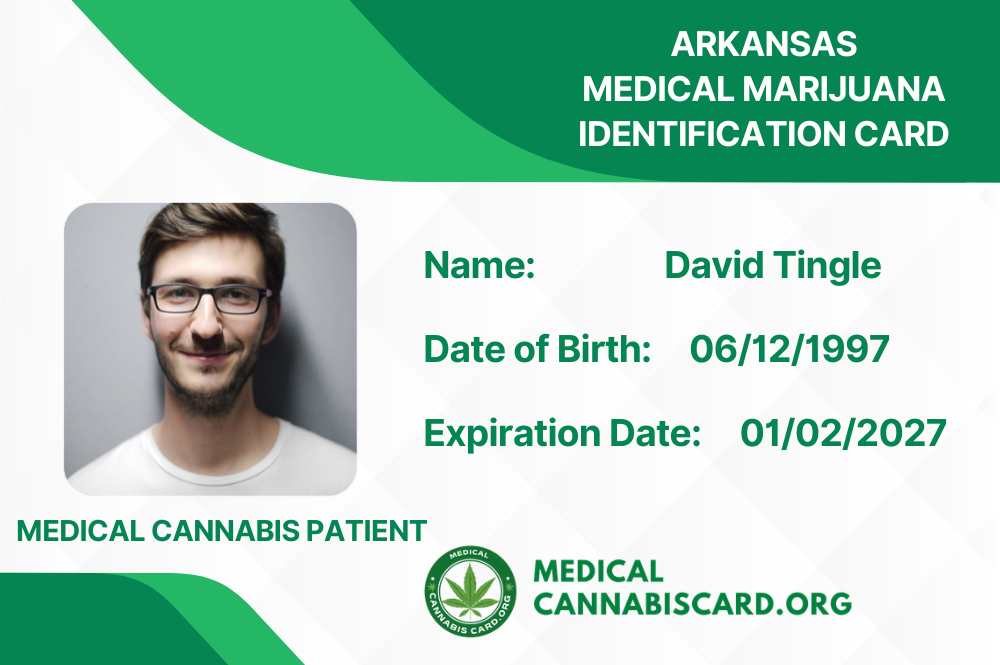
Getting the healthcare you need in the Natural State should be as clear as a sunny day on Lake Ouachita. However, we all know that navigating state rules can sometimes feel messy. It can be as confusing as a foggy morning deep in the Ozark Mountains. If you are looking for relief, you are in the right place. The first thing you need to know is the list of qualifying conditions for the Medical Card in Arkansas in 2026. This guide is here to help you understand if you are eligible for legal cannabis.
We also want to help you get your registry ID card without the stress. As a patient advocate, I want to make sure you have the most up-to-date 2026 info. Let’s start your journey to wellness today.
In Arkansas, the law is very specific. You must have a diagnosed medical problem to get a card. A licensed doctor must look at your health records to confirm this.
For 2026, the Arkansas Department of Health (ADH) looks at two main groups. These are chronic diseases and symptoms that make life very hard.
Here is the complete, official list of conditions that qualify you for a card:
Sometimes, you might not have a specific disease name listed above. However, you might have severe symptoms. The state recognizes these debilitating issues:
If you have a condition that is not on this list, don’t lose hope. The state allows people to send a “Petition to Add a New Condition” to the Health Department. But for right now, the list above is the legal path to getting your card.
The Arizona Department of Health Services (ADHS) has strict rules. They decide who qualifies for a card and who does not. We have organized these into three easy categories for you.
Many patients suffer from symptoms that make daily life very hard. You qualify if a chronic disease causes specific issues. It also counts if the treatment for that disease causes these issues.
The law also lists specific diseases that automatically qualify you. If you have one of these, you are eligible:
Before you head to the doctor, you need to check a few boxes. These are the basic rules for everyone in Arkansas.
It doesn’t matter if you live in a ranch-style home in Little Rock or a craftsman in Bentonville. The rules for being a resident are the same for everyone.
Note on Minors:
If a patient is under 18, they can still qualify. However, a parent or legal guardian must apply to be their “caregiver.” The parent will be responsible for the medicine.
If you are ready to move forward, we have a plan for you. Following these steps is the best way to get your card quickly.
First, you must meet with an Arkansas-licensed physician. During this visit, the doctor will look at your medical history.
They will check your current health to see if medical marijuana can help. If they agree you have a qualifying condition, they will sign a form.
This form is called the Physician Written Certification. Think of this as your “golden ticket.” Without it, the state will not accept your application.
You can send your info to the state in two ways.
The state charges a fee to process your card. This fee is non-refundable, even if you are denied.
After you submit, you must wait. The Health Department usually takes 10 to 14 business days to review your application.
If everything looks good, they will mail your physical card to your house. You can also print a digital copy from the website.
Technology has made healthcare easier. In 2026, Arkansas law allows for “telehealth” visits. This means you can talk to a doctor using your phone or a video call.
You can do this from the comfort of your living room. However, there is a big rule to remember.
The state requires that you and the doctor have a real medical relationship. A simple online survey is not enough. You must be able to see and hear each other in real-time. The doctor has to provide the same high level of care they would if you were sitting in their office. Telehealth is an excellent choice for renewals. If you have seen your doctor before, a quick video call is the easiest way to keep your card active.
Sometimes a patient needs extra help. Maybe they are too sick to leave the house. Or, perhaps the patient is a minor.
In these cases, a Designated Caregiver can help. A caregiver is allowed to enter the dispensary and buy medicine for the patient.
Fees: You pay the $50 state fee plus about 40−40-40−50 for the background check.
Usually, you can only be a caregiver for one person. The only exception is if the other patients are your immediate family members. Whether you are in Hot Springs or near Arkansas State University in Jonesboro, you must always have your caregiver card with you.
Your medical card is not good forever. It is valid for exactly one year.
If it expires, you cannot buy medicine. You also lose your legal protection. You cannot walk into local shops like Purspirit or Greenlight if your card has expired.
I always tell my patients to start the process 30 days before the expiration date.
You will need to see your doctor again for a new certification. You will also need to pay the $50 state fee again. Staying on top of this ensures you never have a gap in your care.
Getting your medical card in Arkansas is a clear path to feeling better. From the winding roads of the Ozarks to the fertile fields of the Delta, this program is here for us.
The steps are simple, and the relief is real. Don’t let the paperwork stop you from finding the wellness you deserve.
Don’t wait for the next Arkansas thunderstorm to seek relief. Check the list of qualifying conditions for the Medical Card in Arkansas and start your application today.
No. Even with a medical card, you cannot grow your own marijuana in Arkansas. You must buy it from a licensed dispensary.
Yes, but they have to apply for a “Visiting Patient” card. It costs $50 and lasts for 90 days. You apply online just like a resident.
Yes. The Health Department keeps your info secret. It is not part of the Freedom of Information Act. No one can track you down through the registry.
The law says you can buy up to 2.5 ounces of usable marijuana every 14 days. This is known as your “allotment.”
If you lose your card, don’t panic. You can request a replacement online. The fee for a replacement card is $15.00.
To ensure you have the correct information, please refer to these official government resources: